


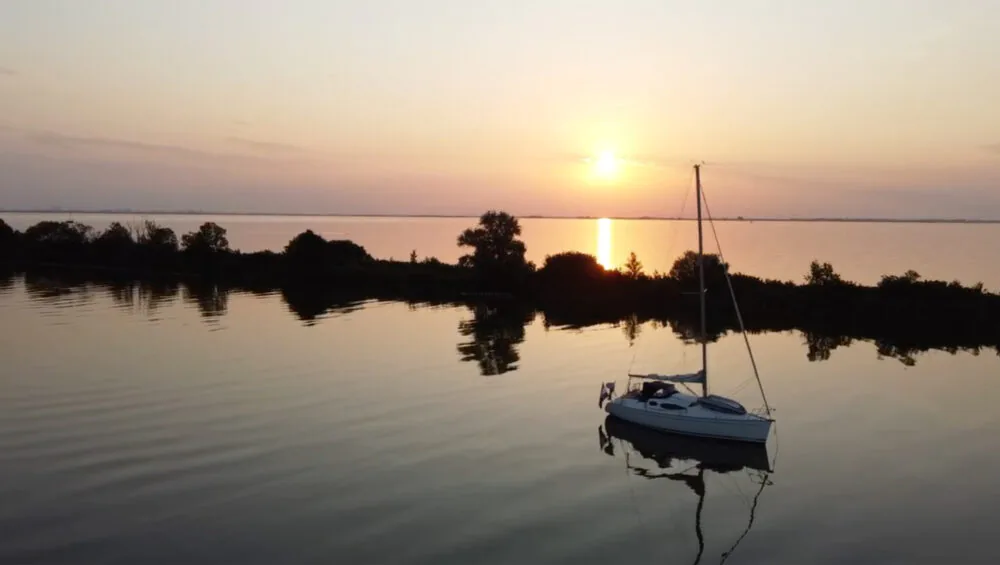
For a safe and responsible trip at sea, good basic equipment is essential. The checklist below contains items that in practice are considered minimum safety equipment for sailing at sea or along the coast. Think life-saving equipment, navigation equipment, communications and emergency equipment. These resources not only enhance the safety of the crew, but also ensure that you can act appropriately in emergencies.
Many boat insurance moreover, state requirements to a vessel's equipment when sailing outside sheltered inland waters. Depending on the sailing area (e.g. coastal waters, the so-called small square or further offshore), an insurer may require specific safety equipment. Therefore, always check the policy conditions and ask your insurer for the current list of required safety equipment before planning a longer trip at sea.
Sailing areas
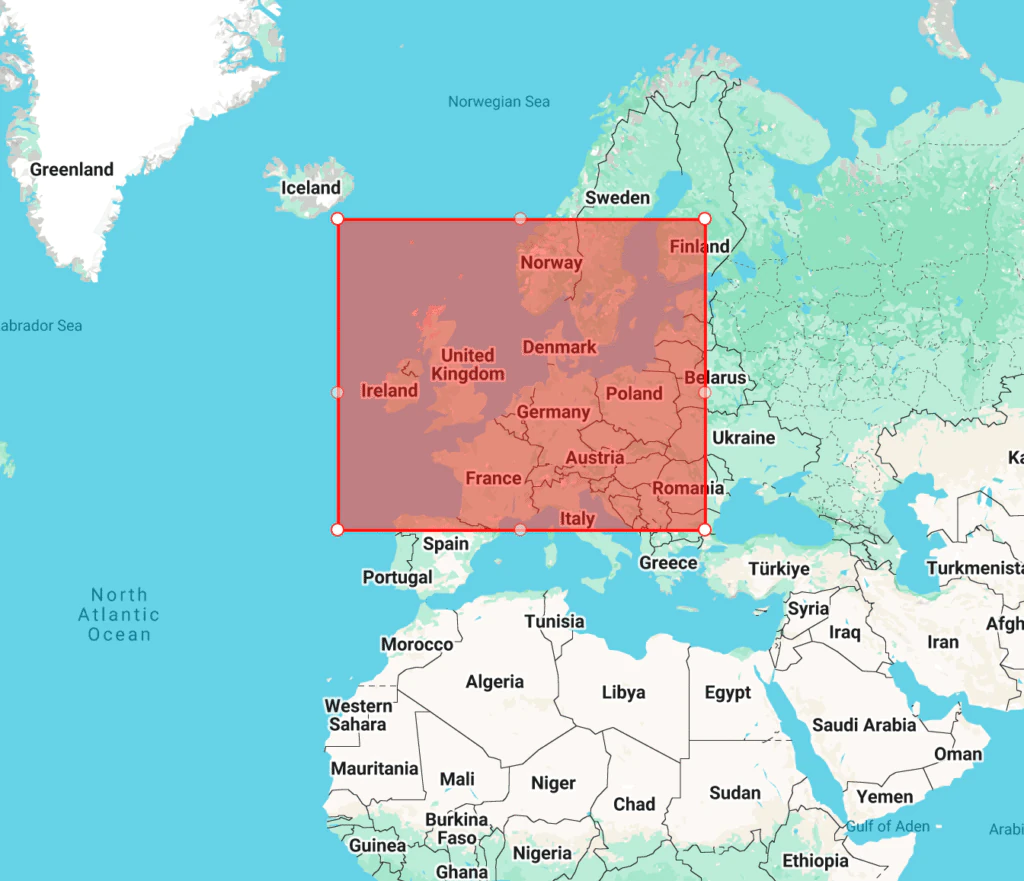
The coverage areas below apply to the ANWB Boat Insurance. Always check the coverage area on your policy sheet!
The boat is insured for navigation and stay on all European inland waterways and seas, within the following limits:
- 45 degrees North
- 63 degrees North
- 15 degrees West longitude
- 30 degrees East longitude
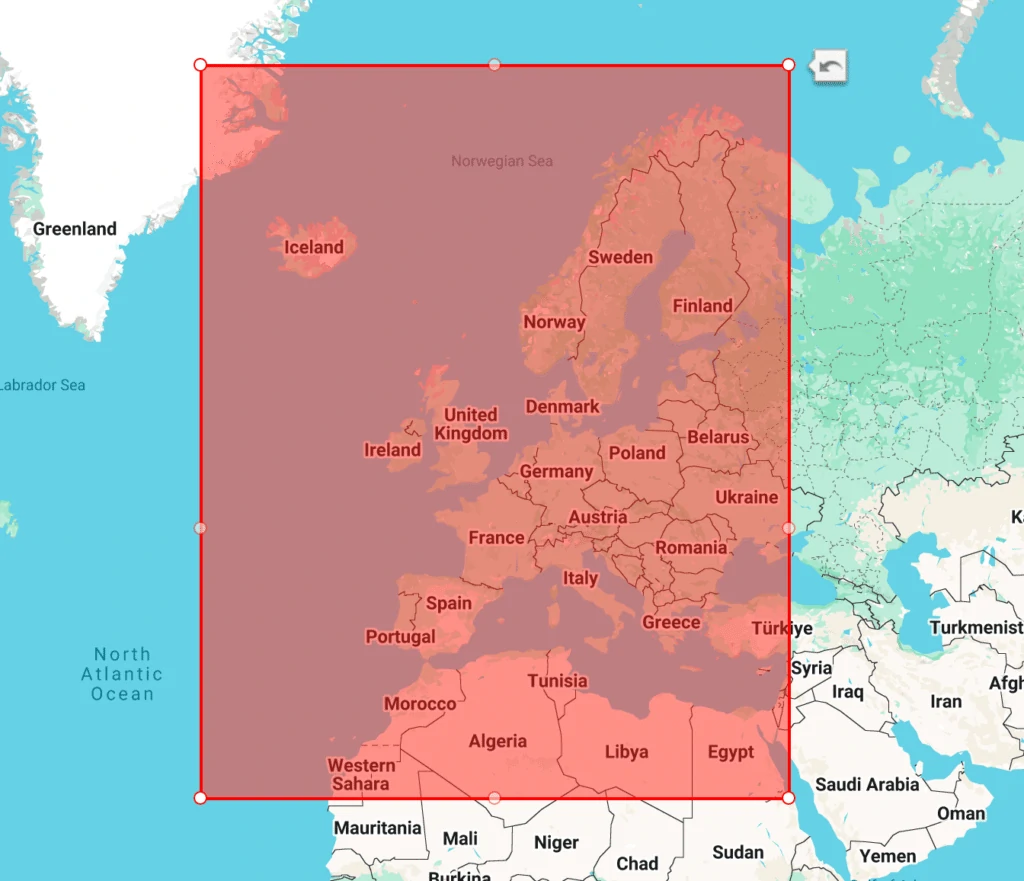
The boat is insured for navigation and stay on all European inland waterways and seas, within the following limits:
- 73 degrees north latitude
- 24 degrees north latitude
- 30 degrees West longitude
- 35 degrees East longitude
Note: Are you taking your boat to Italy, Spain, Croatia or Greece? Then you need a Foreign Country Certificate.
Checklist for coastal waters / small square
🦺 Personal safety
- Life jacket (automatic) for each person on board
- Safety harness / lifeline for every person on board
- Lifelines / jacklines on deck
- Side rail or bulwark with sceptres and handrails
🛟 Man-over-board (MOB)
- Lifebuoy with floating line or joon
- Second lifebuoy with automatic light
- Floating throw line (min. 30 m)
- Lifesling or MOB recovery system
- Rescue knife
🚤 Rescue equipment
- Life raft suitable for entire crew
- Tender (inflatable or fixed) with oars or paddles
🚨 Emergency signals
- 4 parachute emergency flares
- 4 red hand torches
- 2-4 smoke signals
- Waterproof emergency light or strobe
- Electronic distress signal light (optional modern alternative)
📡 Communications & emergency communications
- VHF radio (VHF / DSC)
- AIS transponder
- EPIRB or PLB
- Handheld VHF radio (backup)
- Satellite communications (Iridium or Garmin InReach)
- Emergency contact list and MMSI data
🧭 Navigation
- GPS or chartplotter
- Spare navigation (tablet or handheld GPS)
- Paper sea charts of the sailing area
- Compass
- Spare compass
- Navigation lights in accordance with COLREG
- Radar reflector
- Foghorn
- Depth gauge
⚓ Anchor equipment
- Main anchor with chain and anchor line
- Second anchor or floating anchor
- Anchor line minimum ±30-60 m depending on sailing area
- Strong anchor fixing
🔥 Fire safety
- Fire extinguisher(s) at least 2 kg
- Fire blanket at galley
- Smoke detector
- Gas detector (recommended)
- CO detector (recommended with indoor motor or heating)
🔧 Watertightness & hull safety
- Skin penetrations with easily accessible valves
- Double hose clamps below waterline
- Wooden emergency plugs for all penetrations
- Valves fuel tank accessible
💧 Lens and water management
- Electric bilge pump
- Manual bilge pump
- Bilge alarm (recommended)
- Puts or bucket with line
🛠️ Engine & engineering
- Tool kit for engine
- Spare parts (filters, impeller, fuses, belts)
- Spare engine oil and coolant
- Fuel reserve
🆘 Emergency control & repair
- Emergency steering or emergency tiller
- Repair material for leaks (plugs, epoxy, tape)
- Spare lines and blocks
- Multitool or marine tool
🪢 Deck equipment
- Sufficient mooring lines
- Extra lines for towing or emergencies
- Fenders
- Boat hook
🔦 Lighting & energy
- Waterproof torch
- Head lamps for crew
- Spare batteries
- Emergency lighting
- Power bank or emergency battery
🩹 Medical
- First aid kit (maritime version)
- Medical handbook or first aid instruction
🚰 Drinking water & supplies
- Drinking water in suitable tanks or jerrycans
- Emergency food rations
📚 Documentation & knowledge
- Sea charts and nautical publications of sailing area
- Knowledge of COLREG / Seafarers' Regulations
- Knowledge of BPR (if relevant)
- Practical experience in the sailing area
Longer sea trips / Off-grid anchoring
⚡ Energy & power supply (off-grid)
- Solar panels with charge controller
- Wind generator
- Hydrogenerator / drag generator
- High-output alternator on engine
- Lithium battery bank (LiFePO4)
- Battery monitor
- Inverter (12V → 230V)
- DC-DC charger
- High-capacity shore power charger
- Additional fuses and electrical spare parts
💧 Water & autonomy
- Watermaker (desalinator)
- Additional drinking water jerry cans
- Water filter for drinking water
- Foot pump for water (backup in case of power failure)
- Deck shower or cockpit shower
📡 Navigation & offshore communications
- Satellite phone (Iridium)
- Satellite communicator (e.g. Garmin InReach)
- Starlink or other satellite internet solution
- Additional handheld GPS
- Reserve navigation tablet
- Weather reception via satellite or SSB
- SSB radio for offshore communications
- Extra portable AIS transponder
🧭 Weather & trip planning
- Barometer
- Weather station with wind sensor
- Offshore weather analysis software (GRIB)
- Stormsail or trysail
- Additional reefing options in mainsail
🛟 Additional offshore safety
- EPIRB with GPS
- Personal AIS-MOB transmitters in life jacket
- Jacklines all over the deck
- Additional distress signals
- Spare VHF antenna
- Additional navigation lights or emergency light
- Additional bilge pump (high power)
⚓ Anchoring & staying on board
- Electric anchor winch
- Long anchor chain (e.g. 60-100 m)
- Second heavy anchor for storm conditions
- Anchor alarm (GPS)
- Snubber / anchor damper
- Rocna / Mantus / modern anchor
- Dinghy with outboard motor
🍳 Comfort & long-term stay
- Refrigerator or cooler (compressor)
- Airfryer (tip from Henk 😉)
- Diesel heating
- Cockpit tent / bimini
- Additional ventilation (solar fan)
- Clothesline or clothesline
- Additional storage space / waterproof bags
🔧 Maintenance & spare parts
- Spare impeller, filters and engine belts
- Spare fuel pump or injectors
- Additional hoses and hose clamps
- Spare electric pumps
- Epoxy repair kit
- Sail repair kit
- Spare blocks and lines


